Route · Kent → France
Removals from Kent to France
France is the short one. From most of the county the Channel is closer than London, which makes removals from Kent to France the most straightforward route we run.
A Kent to France move starts the way every job of ours starts: a look round the house, in person or by photos, then an inventory, then a written quote. What changes is how little road sits between your front door and the crossing. Ashford, Canterbury and Dover households are practically on top of it. Maidstone, Tonbridge and Sevenoaks are a straight run down the motorway.
On the French side the job depends on where you are going. A city flat needs a plan for the lift and the street outside. A farmhouse at the end of a track needs a plan for the track. We ask about both before we put a figure on anything.
The crossing
Crossing the Channel on a Kent to France move
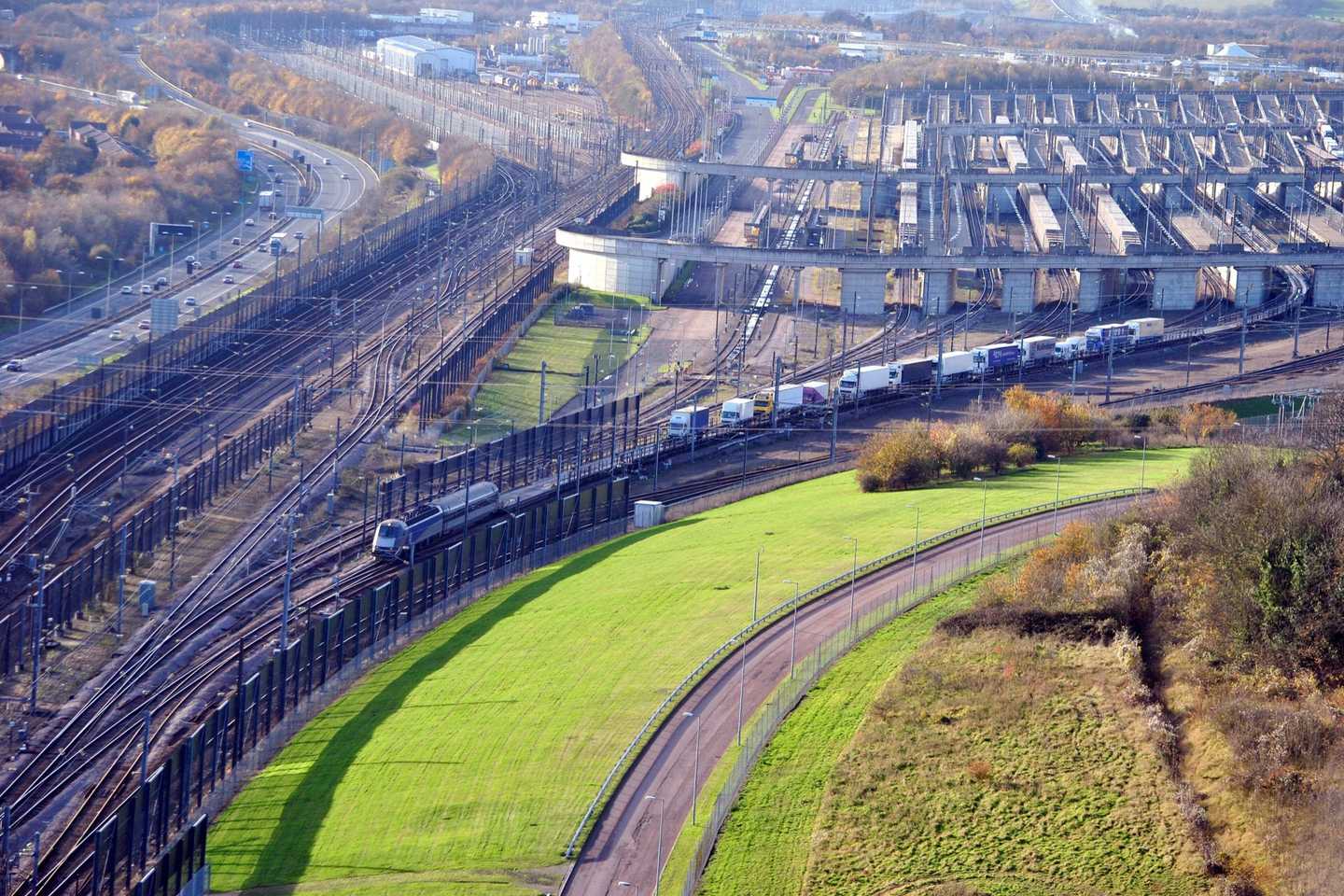
There are two ways over from Kent with a removals lorry: the ferry out of Dover and the shuttle train from Folkestone. Both carry loaded commercial vehicles. Which one we book depends on the size of the vehicle, where in France you are heading and what is available on the date that suits you. You do not have to choose. The written quote says which crossing we have planned and why.
On a dedicated load your furniture stays on our vehicle from your driveway to the new address. Nobody unloads it at the port and hands it on to another firm. If you are sharing space on a part load, the quote says so plainly and explains how your goods are kept separate and listed.
Access
Access at both ends of a removal from Kent to France
The Kent end
Terraces in Margate and Ramsgate with no off-street parking. Tunbridge Wells townhouses with steep front steps. New-build estates near Ashford with tight turning heads. Tell us where the lorry can stop, how far that is from the front door, and whether there are steps or a narrow hallway in between.
The France end
Older French town centres have narrow streets and set loading times. Apartment blocks may have a small lift or none at all, and some buildings have rules about when furniture can come in. Rural houses can sit at the end of an unmade lane. If a full-size lorry cannot reach the door, we plan a smaller vehicle for the last stretch and show it on the quote.
Packing & inventory
Packing and inventory for removals to France
Every item goes on a numbered inventory before it leaves Kent. That list is what the customs paperwork is built from, and it is what we tick off when we unload in France. Boxes are labelled by room so the crew can put them where they belong rather than stacking everything in the hall.
We can pack the whole house, just the breakables, or nothing at all if you would rather do it yourself. If you pack your own boxes, write down what is inside. "Kitchen, misc" is fine for a move across town. It is not good enough for a border.
Regions
Where our removals from Kent to France end up
Normandy and Brittany
The nearest regions to the Channel and a common choice for people who already know them from holidays. Lots of stone houses with low doorways and deep-set stairs — measure the big pieces before we load.
Paris and Île-de-France
Mostly apartments. Lift size, the building's rules on move times and parking on the street are the three things we need to know. Bigger furniture sometimes goes up by external lift; we tell you if we think yours will.
Loire Valley
Family houses and converted farm buildings with generous access as a rule. Gravel drives and soft verges are the usual catch after wet weather.
Dordogne and the south-west
Long-established English-speaking communities, plenty of restored farmhouses and a lot of lanes that were never meant for lorries. Photos of the approach save arguments later.
Provence and the Riviera
Hilltop villages with steep, tight streets and coastal flats with residents' parking only. Expect a smaller vehicle for the final leg in the villages.
The Alps and the Rhône valley
Chalets and town flats. Mountain roads in winter are a planning point, not a reason to avoid the move — we build the season into the schedule we propose.
Documents
Paperwork for removals from Kent to France
- Passport for the person the goods belong to.
- Proof of your new address in France — a purchase deed, rental agreement or similar.
- The signed inventory we prepare with you before loading.
- Anything else our customs agent asks for if you are claiming relief from import charges on household goods.
Since the UK left the EU, household goods going to France travel with customs paperwork at both ends. Whether relief from duty and VAT applies depends on your circumstances and on French rules. We tell you exactly what our customs agent needs from you before the move. For questions about your own residency or tax position, check with the French authorities or a qualified adviser.
The quote
How a quote for removals from Kent to France works
- 01 Send your details through the quote form: pickup address in Kent, delivery address in France, and a moving date if you have one.
- 02 We ask for photos of each room or book a survey, depending on the size of the move.
- 03 You get a written quote covering the crossing, packing, access plan at both ends and goods-in-transit cover.
- 04 Nothing is booked until you have agreed the quote in writing.
Route FAQ
Kent to France:
asked and answered.
Questions that come up on this route. For customs, cover and surveys in general, see the moving abroad from Kent FAQ.
Ferry or tunnel for removals from Kent to France?
Can you deliver to an apartment in a French city?
We already have a holiday home in France. Can you move the rest of the house to it?
Other routes
- Removals from Kent to Spain →
- Removals from Kent to Italy →
- Removals from Kent to Portugal →
- All European removals from Kent →
New to us? Start with international removals in Kent for how we work.
Begin · Kent to France
Moving from Kent to France?
Send us the details.
Pickup address in Kent, delivery address in France, and a date if you have one. We come back in writing.